



Hydraulic hoses
Hoses with one, two, four and six reinforcement plies, compact, thermoplastic and PTFE types. Cut and crimped at the Riom workshop, one-off or in batches, with an on-site breakdown service.
Cannot find your part number? Describe the part, add photos, and a technician will identify it.
10 products
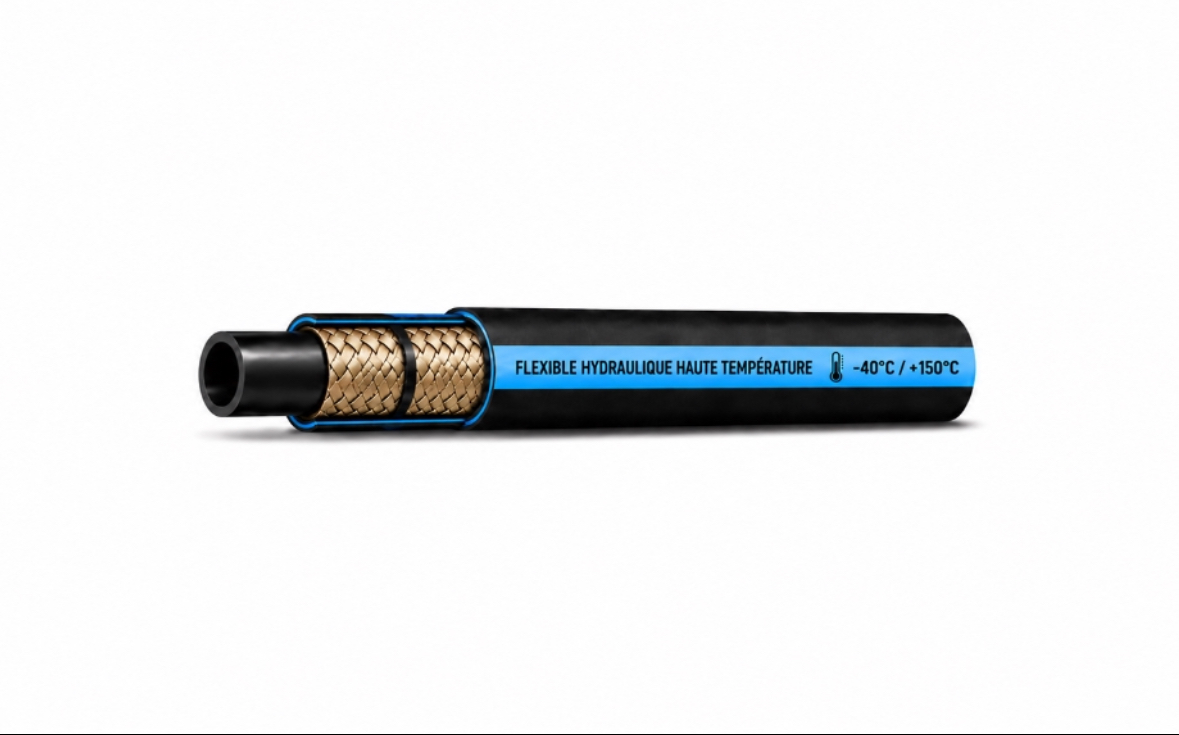
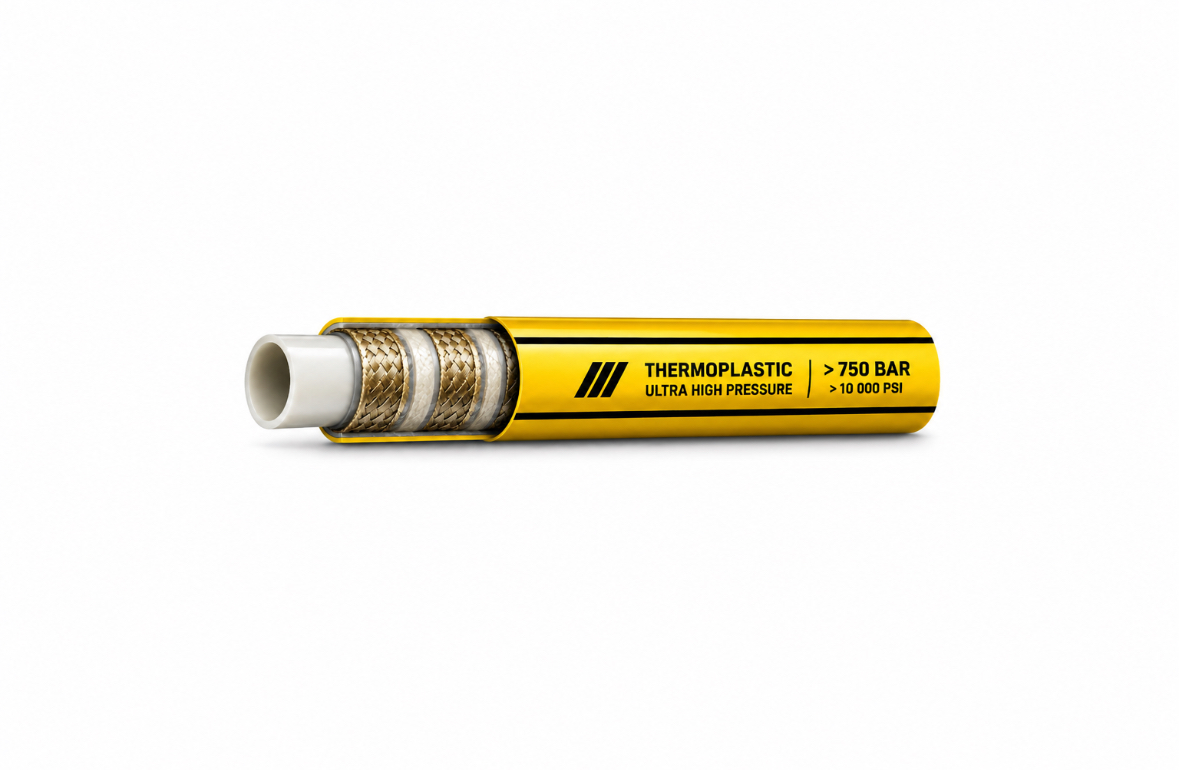
Très haute pression
Flexible très haute pression pour les pompe THP et de machines industrielles.
View the product →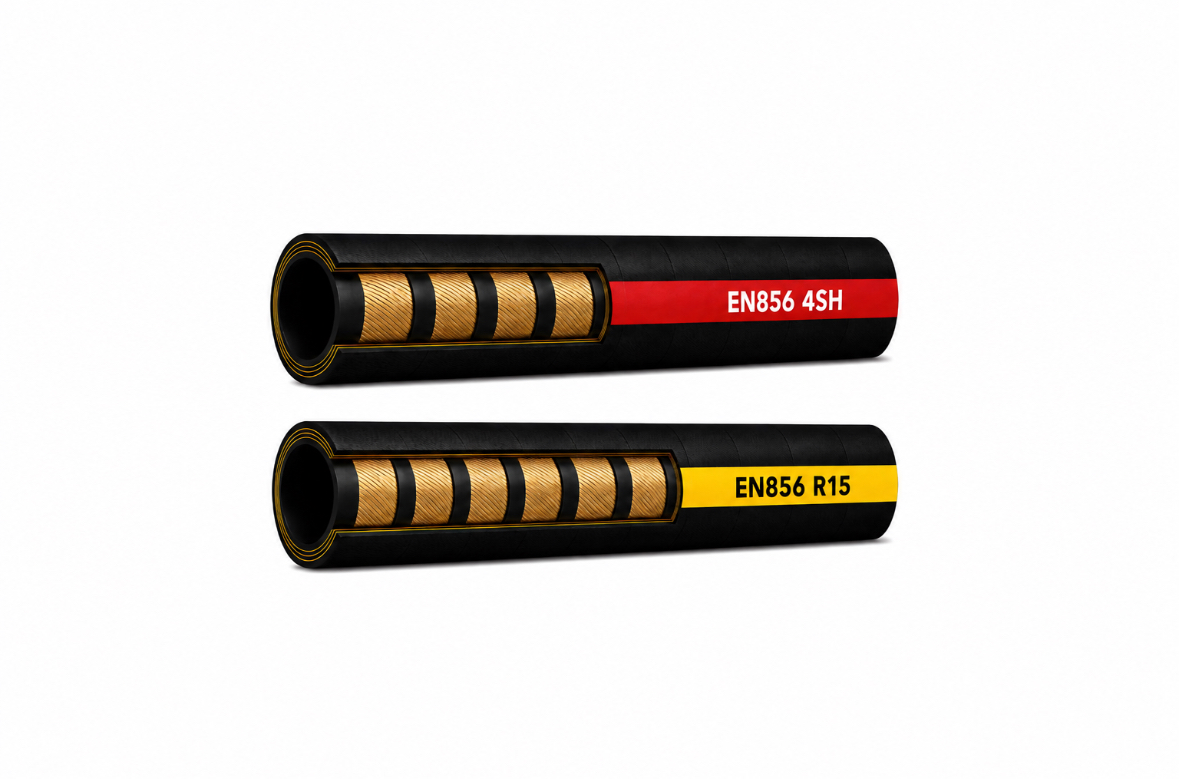
4/6 nappes
Flexible à 4 ou 6 nappes, conçu pour la très haute pression et les cycles d'impulsions répétés.
View the product →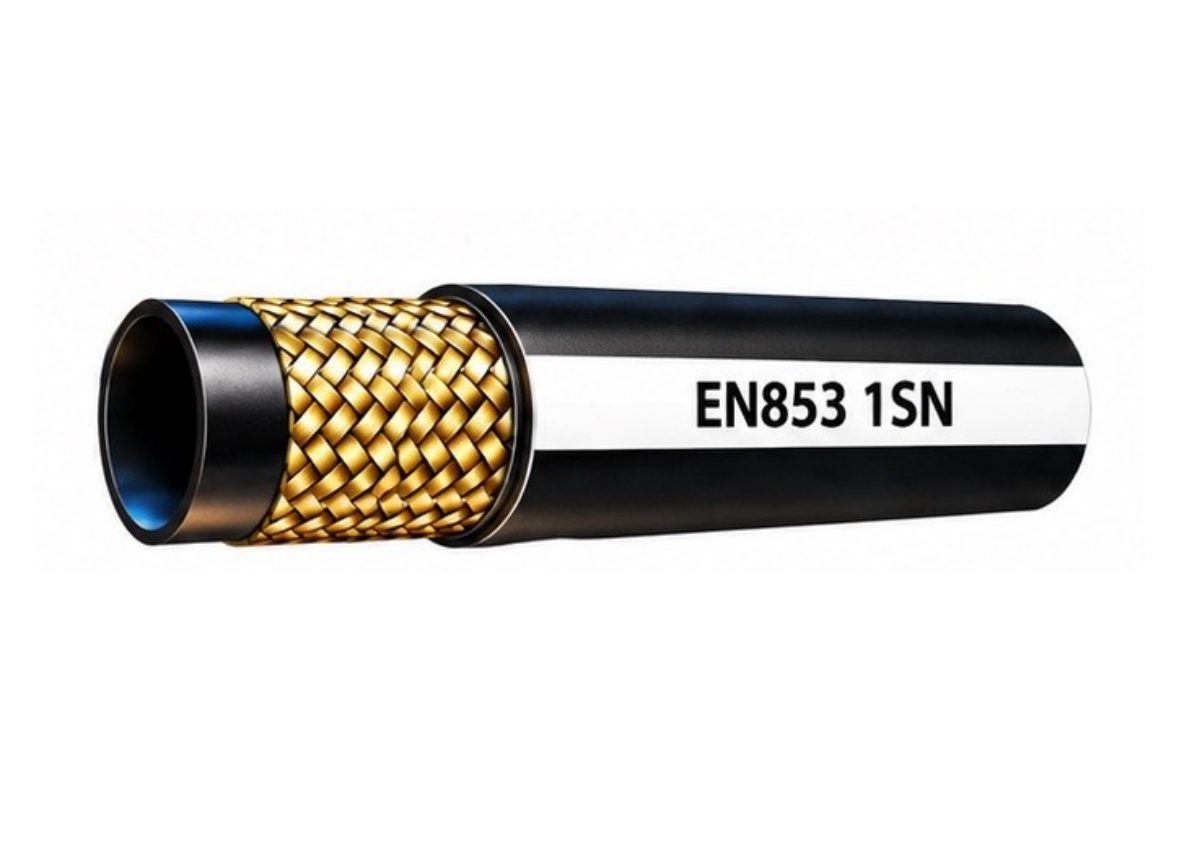
1 tresse
Flexible à une tresse de fils d'acier tressés, pour les lignes moyenne pression, les retours chargés et les circuits de servitude.
View the product →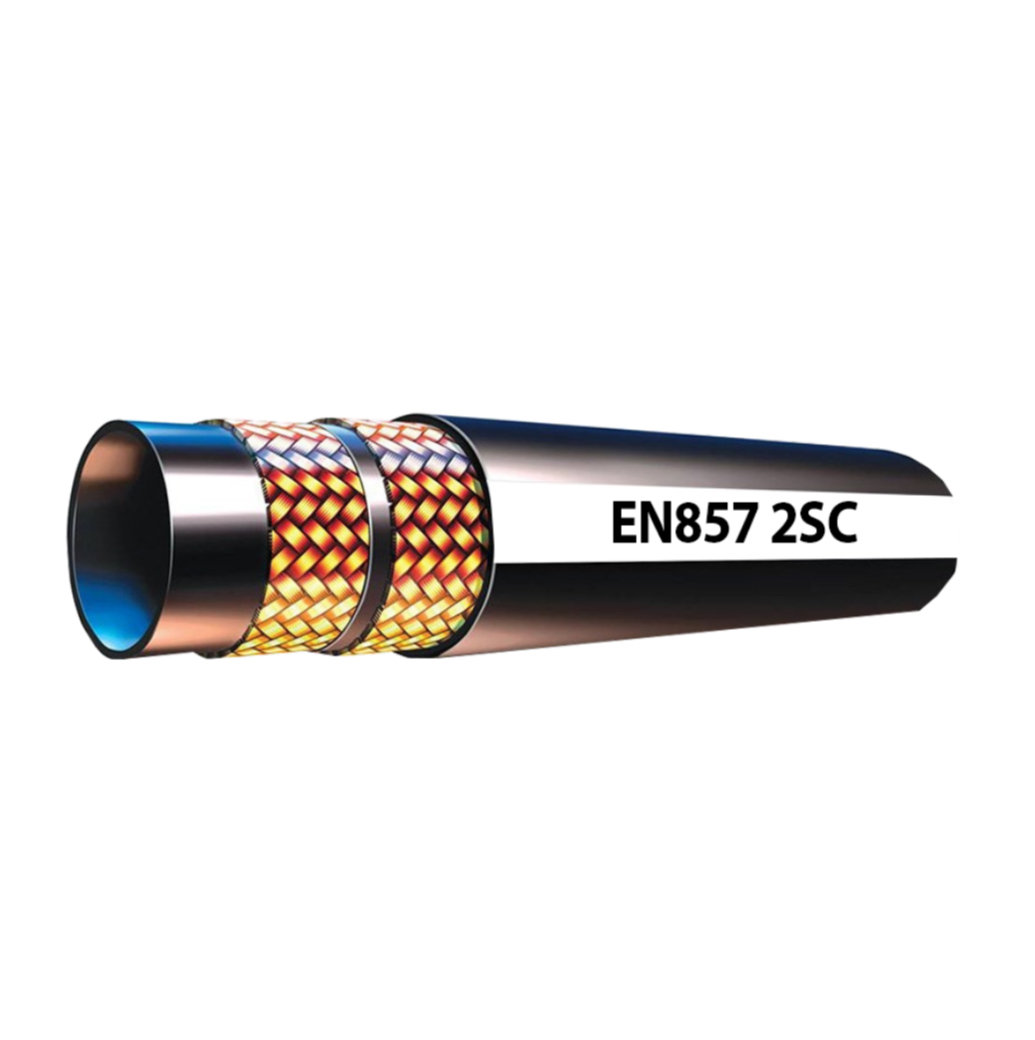
2 tresses
Flexible à deux tresses de fils d'acier tressés, construction la plus courante des circuits hydrauliques haute pression.
View the product →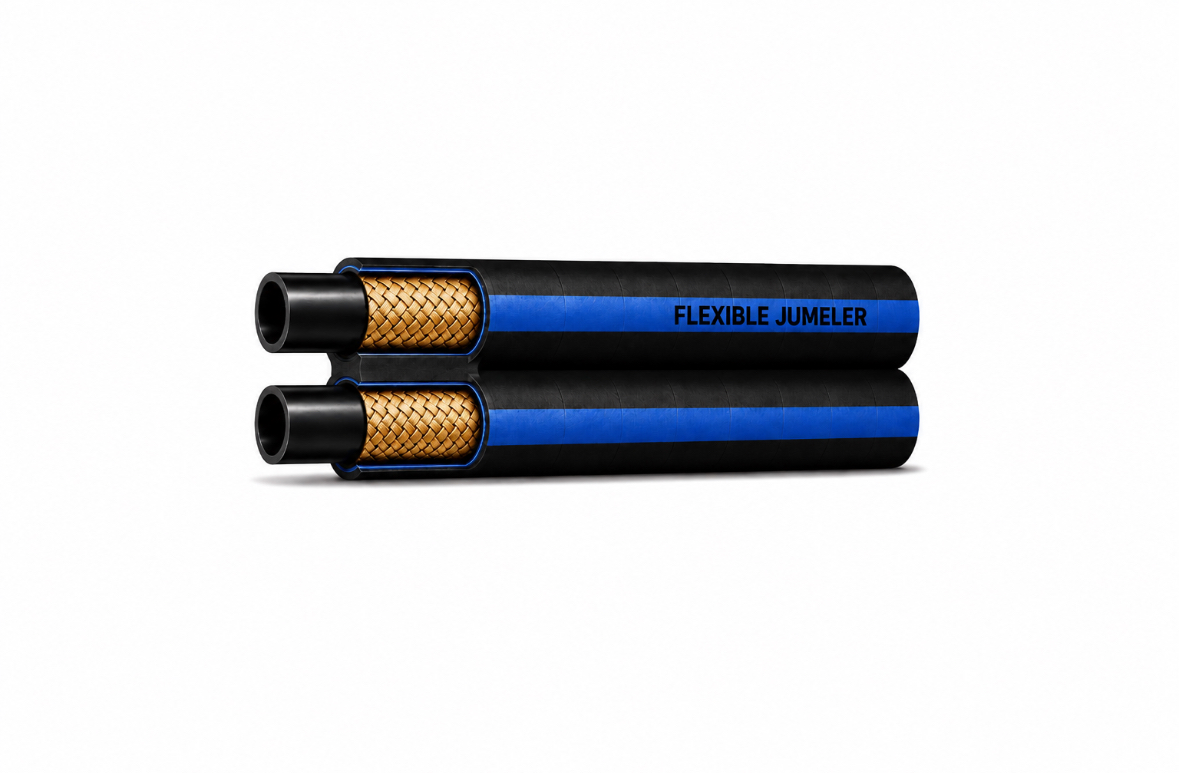
thermoplastique
Flexible à âme thermoplastique et renfort synthétique, léger et souple, disponible en version non conductrice pour nacelles.
View the product →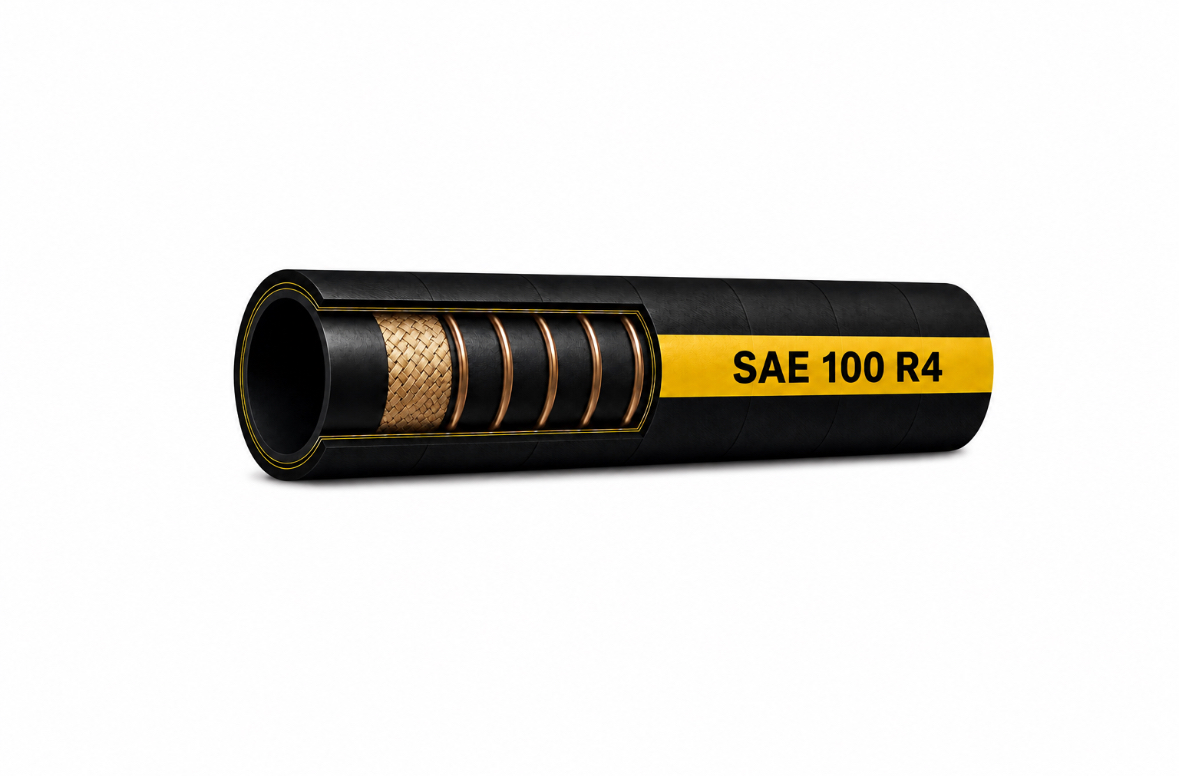
basse pression / retour
Flexible basse pression pour les lignes de retour, de vidange et d'aspiration, à renfort textile ou à spirale antidépression.
View the product →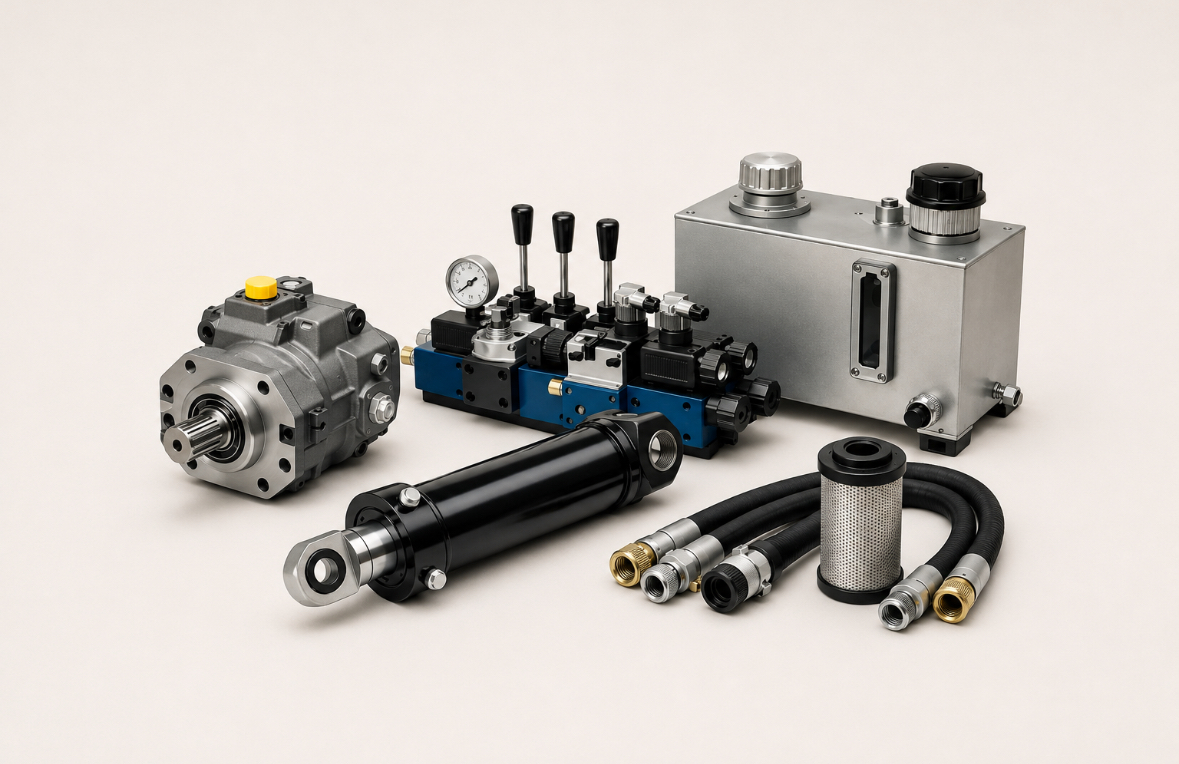
Flexible hydraulique PTFE R14
Flexible à âme PTFE et tresse inox pour les lignes hydrauliques chaudes ou incompatibles avec un tube caoutchouc.
View the product →Flexible de test et de mesure
Flexible de faible diamètre pour brancher un manomètre sur les prises de pression d'un circuit sans le vidanger.
View the product →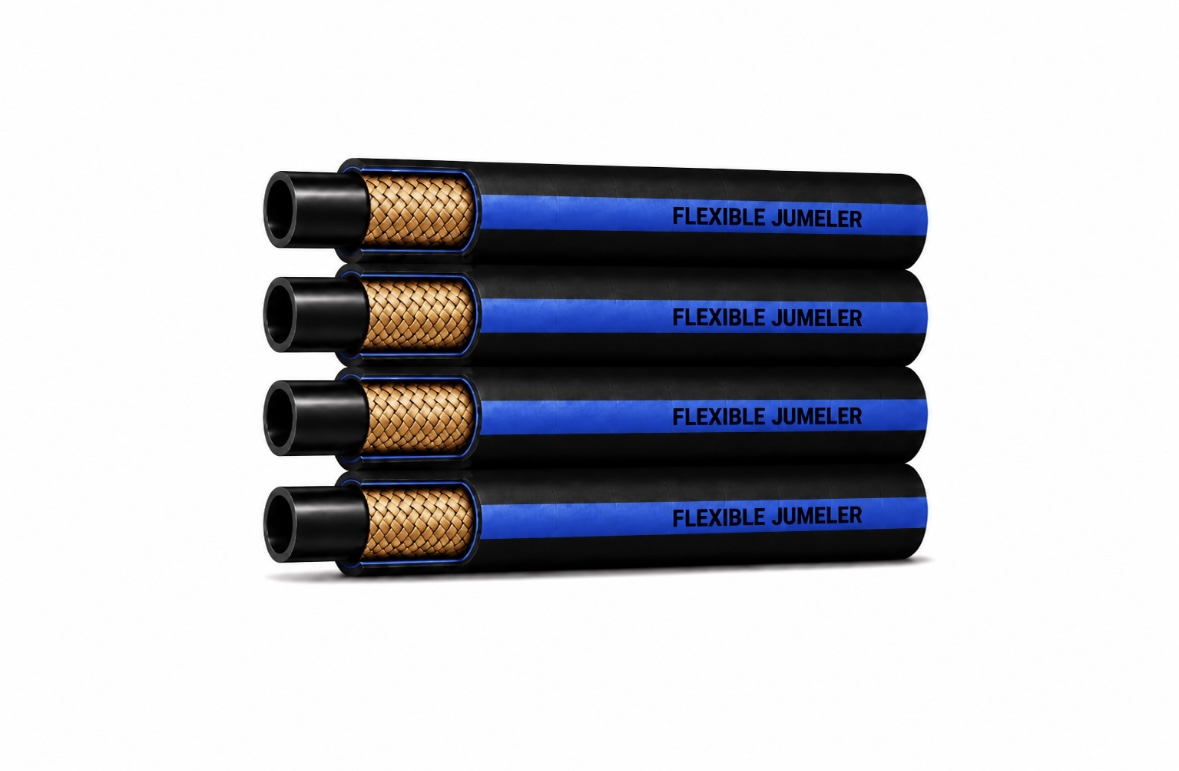
A hose is chosen on four criteria, in this order: the fluid being carried, the circuit's actual working pressure, the inside diameter dictated by the flow rate, and the environment (temperature, abrasion, bend radius available).
The braided EN 853 ranges (1SN, 2SN) cover medium and high pressure. The compact EN 857 ranges (1SC, 2SC) halve the bend radius, which helps in cramped compartments. Above those, the spiral-wire EN 856 ranges (4SP, 4SH) and SAE 100R12, R13 and R15 take very high pressure and repeated impulse cycles. ISO 18752 rates these hoses on fatigue performance rather than on construction.
- A hose shortens or lengthens under pressure: leave some slack and respect the minimum bend radius.
- Crimping must be done with the hose end and the die specified for that hose reference, without mixing makes.
- Check the manufacturing date printed on the layline: a hose ages in storage even when it is never used.
We cut and crimp your hoses at the workshop, from a sample or from dimensions, crimping to the hose end manufacturer's stated diameter and checking it with a calliper, and we come out on site for emergency replacements.
Need advice on this range?
Request a quote